


If you’re looking for the best franchise under 15 lakhs, you’re in good company. It’s one of the most searched budgets in India, and it’s easy to see why. It’s big enough to open a proper outlet, yet small enough that most first-time owners don’t need a heavy bank loan to get started.
The trouble begins when you start researching. Plenty of “under ₹15 lakh” lists quietly leave out equipment and interior costs. Others throw a 150 sq. ft. kiosk and a ₹50 lakh restaurant into the same list, which doesn’t help anyone make a decision.
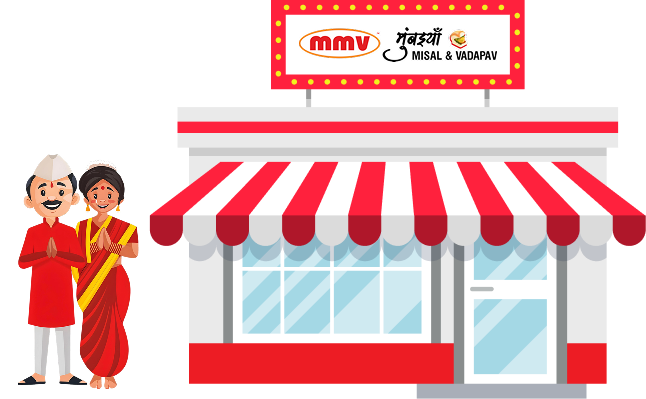
So here’s a straight comparison instead. We’ve looked at the five formats you can realistically open for a food franchise under 15 lakhs in India: street food QSRs, tea cafes, cloud kitchens, dessert kiosks, and roll or idli counters. For each one, we cover investment, space, margins and the problems that rarely make it into the sales pitch. We’ll also show why a high-frequency low investment QSR franchise like the MMV Mumbaiya Express franchise tends to give owners steadier daily cash flow.
So what does a food franchise under 10 to 15 lakhs actually get you in the big 2026? Usually a compact, turnkey outlet or takeaway counter of about 150–300 sq. ft., run on a FOFO (Franchise Owned, Franchise Operated) model. You own the outlet, you run it day to day, and the brand supplies the system, the recipes and the training.
Here’s where many people get caught out. A brand may advertise a “₹3–5 lakh franchise”, but that number is often just the franchise fee, the price of using the brand name. The total capital expenditure is a different figure altogether. It includes kitchen equipment, civil and interior work, branding, initial inventory and training, and it can add several more lakhs on top. Before you compare any two brands, make sure you’re comparing the same thing.
The other reason this bracket works is speed. Compact takeaway models usually reach break-even faster than large dine-in restaurants, often within 12–24 months, because rent, staff and utility bills stay smaller. That holds in metros and in Tier-2 and Tier-3 cities alike, though your actual numbers will depend heavily on location. For a profitable fast food franchise under 15 lakhs, a small footprint is half the battle.
If you just want the quick picture, this table puts the six most common formats next to each other. It covers investment, space, peak sales hours and the main operational headache for each. Margin ranges are approximate and will vary by brand, city and how well the outlet is run.
Franchise Format / Model | Typical Total Investment | Space Required | Primary Sales Window | Key Operational Challenge | Gross Margin Range |
MMV Mumbaiya – Express Model | ₹11–13 Lakhs | 150–250 sq. ft. | All-day (breakfast, lunch & evening snacks) | 5% royalty on gross sales | 50-55% |
Tea & Chai Cafes (e.g., Chai Sutta Bar, Tea Time) | ₹8–15 Lakhs | 200–350 sq. ft. | Morning & evening | Very low ticket size (₹15–25) needs huge volume to cover rent | 40–50% |
Delivery Cloud Kitchens (e.g., Kouzina Food Tech) | ₹3.5–12 Lakhs | 200–300 sq. ft. | Lunch & dinner | 25–30% cut to Swiggy/Zomato commissions and ad spend | 25–35% (net of commissions) |
Dessert, Waffle & Shake Kiosks (e.g., Belgian Waffle Co.) | ₹10–15 Lakhs | 150–300 sq. ft. | Post-dinner & weekends | Indulgence item; slow weekday daytime traffic | 45–55% |
Roll & Sandwich Counters (e.g., Rolls Nation, Baap of Rolls) | ₹5–12 Lakhs | 150–300 sq. ft. | Evening & late night | 5–8 minutes of live cooking per order slows down rush hour | 35–45% |
Regional Breakfast & Cafe Kiosks (e.g., Naadbramha Idli, Ajay’s Café) | ₹8–15 Lakhs | 250–400 sq. ft. | Morning (idli) or evening (fast food) | Often limited to one meal window or a narrow regional menu | 35–40% |
A table only tells you so much. Here’s how each format plays out on the ground, who it suits, and where it tends to struggle.
Vada Pav, Misal Pav and Poha are the backbone of high-frequency food retail in India. People don’t treat them as an occasion. They eat them on the way to work, between classes, or at 5 pm when the chai craving hits. Unlike Western fast food, they work for every age group and income level, day after day. Ticket sizes of ₹50–₹150 keep the food affordable while still giving a healthy bill value, and an order is usually served in 30–60 seconds. If you’re curious about vada pav franchise cost, this is the category where branded, standardised outlets sit.
Chai chains pull in a lot of footfall, especially from college students. The catch is the maths. When your hero product sells for ₹35–₹40, you need to sell hundreds of cups a day just to cover commercial rent and salaries. A tea cafe franchise under 15 lakhs works best when the menu also carries substantial food items that lift the average bill.
Cloud kitchens like Kouzina Food Tech look attractive on paper because they skip high-street rent. But there’s no walk-in traffic, so you depend entirely on Zomato and Swiggy. Aggregator commissions of 25–30%, plus paid visibility ads, can eat a big share of your margin. A cloud kitchen franchise in India is cheaper to start, but it isn’t always cheaper to run.
Kiosk models like those listed on FranchiseBazar enjoy strong per-item margins and do well in malls. The flip side is that dessert is an indulgence, not a daily meal. Sales lean heavily on evenings and weekends, and cold storage pushes electricity bills up. Weekday afternoons can feel very quiet.
Takeaway roll brands like Rolls Nation and regional idli counters like Naadbramha Idli are popular kiosk food franchise options in India. The bottleneck is live cooking. Rolling parathas to order takes time, and queues build up during the evening rush. Pre-prepped QSR assembly lines move noticeably faster.
Why MMV Mumbaiya Express Stands Out Under ₹15 Lakhs
Most formats above solve one problem and create another. Tea cafes have footfall but thin tickets. Cloud kitchens have low rent but high commissions. Dessert kiosks have margins but slow weekdays. The MMV Mumbaiya Express franchise is built to avoid those trade-offs, and it’s a strong pick if you’re after a vada pav and misal pav franchise with everyday demand.
If I were putting ₹12 lakhs into food, I’d want the product people buy three times a week, not three times a year. That’s the whole idea behind the Express model.
As the saying goes, the devil is in the details, and franchise agreements are full of them. Before you sign anything, run through these four checks:
This is also how you answer “how to choose a food franchise in India” without relying on a sales deck. Any brand worth joining will be happy to put these answers in writing.

It depends on your location and footfall. Street food QSRs like MMV Mumbaiya Express suit transit hubs, colleges and markets, since they sell across breakfast, lunch and evening hours rather than depending on a single rush.
The Express model requires ₹11–13 lakhs. That covers kitchen equipment, branding and initial training. MMV also charges a 5% royalty on gross sales, so factor that into your monthly numbers from day one.
No head chef is needed. The model runs on a centralised supply chain and a simple menu, with training provided. For a MMV franchise team.
MMV projects a break-even of roughly 18–24 months for the Express model. That’s an estimate, not a promise. Rent, footfall and daily operations can move the timeline either way.
In the ₹10–15 lakh bracket, long-term profit rarely comes from whatever food trend is hot this year. It comes from everyday eating habits, a small rent footprint and a system that works the same way every day.
See how MMV’s Express takeaway model operates with minimal staff and optimized setup costs—explore the MMV franchise opportunity or contact our franchise team today to request the franchise kit.

